
Your front door is more than just an entrance—it’s the first impression your home makes. It reflects your personal style, provides security, and plays a vital role in your home’s energy efficiency and curb appeal. With so many types of front doors available today, homeowners can choose from a wide range of materials, designs, and finishes to create the perfect entryway.
In this detailed guide, we’ll explore the most popular types of front doors, their pros and cons, materials, design variations, and how to select the best one for your home’s architecture and lifestyle.
Why Choosing the Right Front Door Matters
A well-chosen front door offers more than just beauty—it enhances your home’s comfort and safety.
Key Benefits:
- Curb Appeal: The front door is the focal point of your home’s exterior.
- Security: High-quality doors protect against break-ins.
- Energy Efficiency: Insulated and properly sealed doors reduce energy bills.
- Durability: The right material resists weather and wear.
- Home Value: An attractive and efficient door adds resale value.
Selecting the right door type ensures you enjoy both functionality and aesthetics for years to come.
Main Types of Front Doors
Front doors are categorized primarily by material and style. Below is a breakdown of the most common types and their unique qualities.
1. Wood Front Doors
Wood remains the timeless classic for front doors. Its warmth, natural beauty, and versatility make it one of the most desirable choices.
Pros:
- Rich, authentic appearance.
- Customizable shapes and carvings.
- Natural sound and temperature insulation.
Cons:
- Requires periodic maintenance.
- Can warp or swell in humidity if not sealed properly.
Best For: Traditional, rustic, or luxury homes seeking a handcrafted look.
| Feature | Description |
|---|---|
| Material Options | Oak, mahogany, walnut, alder, fir |
| Durability | 15–25 years (with maintenance) |
| Cost Range | $1,000–$4,000+ |
2. Fiberglass Front Doors
Fiberglass has revolutionized entryway design by offering the look of wood without the drawbacks.
Pros:
- Extremely durable and weather-resistant.
- Excellent insulation and energy efficiency.
- Low maintenance and long-lasting finishes.
Cons:
- May be pricier than steel.
Best For: Homeowners who want both performance and beauty.
| Feature | Description |
|---|---|
| Appearance | Can mimic real woodgrain or smooth finish |
| Insulation | High (foam core construction) |
| Durability | 25–35 years |
| Cost Range | $1,200–$3,000+ |
3. Steel Front Doors
Steel front doors offer unmatched security and are ideal for homeowners prioritizing protection and durability.
Pros:
- Strong and impact-resistant.
- Excellent for security and fire resistance.
- Energy-efficient with insulated cores.
Cons:
- May dent if struck hard.
- Limited design flexibility compared to wood.
Best For: Urban homes or properties needing extra protection.
| Feature | Description |
|---|---|
| Maintenance | Minimal |
| Durability | 20–30 years |
| Cost Range | $900–$2,000 |
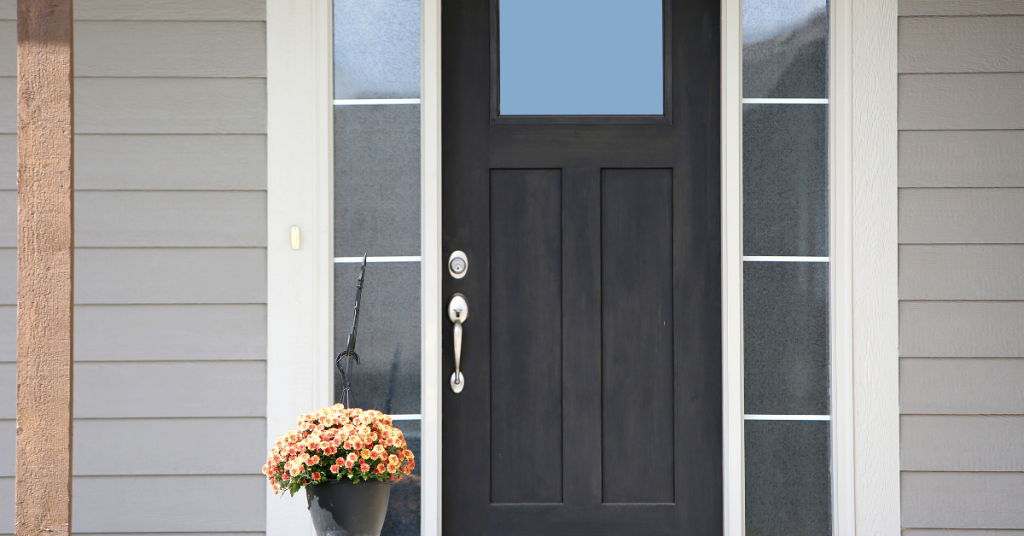
4. Glass Panel Front Doors
Also known as lite doors, these combine solid materials with decorative glass inserts for style and natural light.
Pros:
- Adds elegance and brightness to entryways.
- Customizable glass patterns and levels of transparency.
- Works well with both traditional and modern designs.
Cons:
- Requires periodic cleaning.
- May reduce privacy without frosted or textured glass.
Best For: Homes with shaded porches or entryways needing more light.
| Feature | Description |
|---|---|
| Glass Options | Frosted, beveled, tinted, or stained |
| Energy Efficiency | High with Low-E glass |
| Cost Range | $1,000–$3,500 |
5. Double Front Doors
Double doors create a grand and elegant entrance. They are ideal for larger homes or those wanting an impressive architectural feature.
Pros:
- Dramatic and luxurious appearance.
- Easier to move large items through.
- Enhances natural light and symmetry.
Cons:
- Requires wide entryway space.
- Can be more expensive and less energy efficient.
Best For: Large or luxury homes with spacious façades.
| Feature | Description |
|---|---|
| Door Width | 60–72 inches (combined) |
| Durability | 25–35 years |
| Cost Range | $2,000–$6,000+ |
6. Dutch Front Doors
Also called “stable doors,” Dutch doors are divided horizontally, allowing the top half to open independently.
Pros:
- Offers ventilation while keeping pets or kids inside.
- Unique and charming design.
Cons:
- Limited weather sealing compared to solid doors.
Best For: Cottage, farmhouse, or coastal homes.
| Feature | Description |
|---|---|
| Customization | High |
| Durability | 15–25 years |
| Cost Range | $1,500–$3,000 |
7. Pivot Front Doors
Pivot doors use a central hinge, creating a dramatic, modern statement.
Pros:
- Sleek and minimalist design.
- Smooth and balanced opening motion.
Cons:
- More expensive installation.
- Needs precise sealing for insulation.
Best For: Contemporary homes and architectural showpieces.
| Feature | Description |
|---|---|
| Design Appeal | Modern and grand |
| Durability | 20–30 years |
| Cost Range | $3,000–$10,000+ |
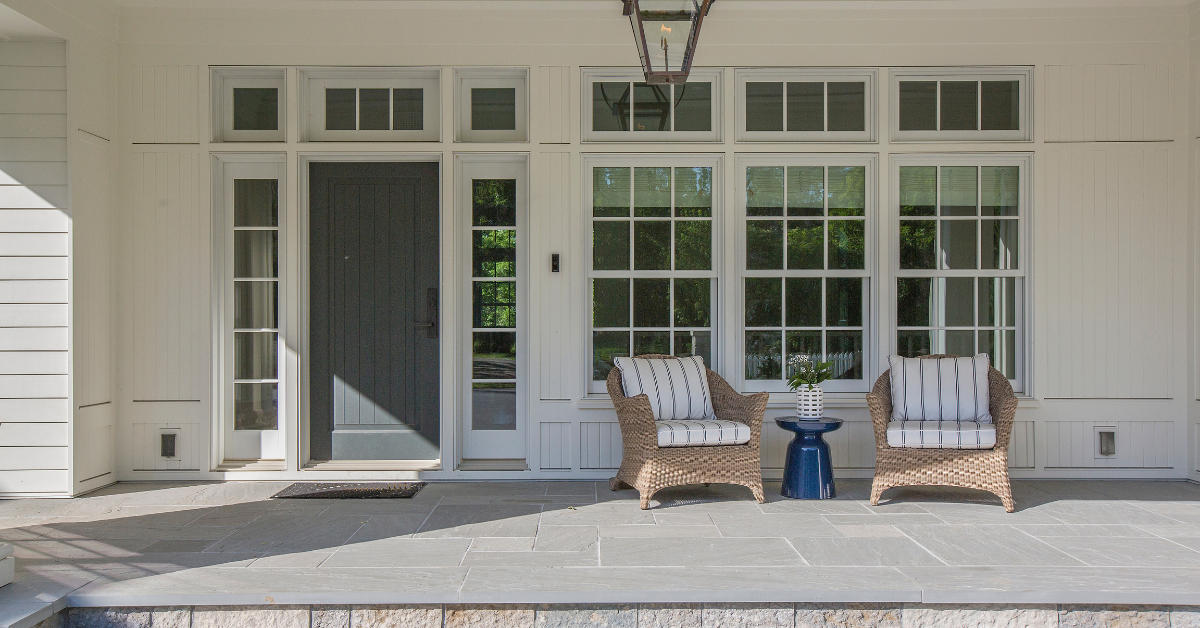
8. Doors with Sidelights
Adding sidelights (narrow vertical glass panels beside the door) enhances the aesthetic and lets in natural light.
Pros:
- Visually widens the entryway.
- Brings light into foyers without sacrificing privacy.
Cons:
- May slightly reduce energy efficiency.
Best For: Traditional and transitional homes seeking a welcoming appearance.
| Feature | Description |
|---|---|
| Glass Options | Decorative, frosted, or clear |
| Customization | High |
| Cost Range | $1,500–$4,000 |
Comparing Door Materials
| Feature | Wood | Fiberglass | Steel | Glass Combo |
|---|---|---|---|---|
| Aesthetic Appeal | Excellent | Excellent | Good | Excellent |
| Durability | Moderate | Excellent | High | Moderate |
| Maintenance | High | Low | Low | Medium |
| Energy Efficiency | Moderate | Excellent | High | Good |
| Customization | High | High | Limited | High |
| Cost | $$$ | $$–$$$ | $$ | $$–$$$ |
Fiberglass often offers the best balance between appearance, performance, and cost, while wood remains unmatched for its natural charm.
Matching Door Types to Architectural Styles
| Home Style | Recommended Door Type |
|---|---|
| Farmhouse | Dutch, wood plank, or rustic fiberglass |
| Modern | Pivot or smooth fiberglass |
| Traditional | Wood or fiberglass with decorative glass |
| Mediterranean | Arched wood with ironwork |
| Cottage | Dutch or paneled wood |
| Contemporary | Glass panel or steel with minimalist lines |
Your door should complement the architecture while reflecting your personal taste.
Energy Efficiency Considerations
Modern front doors feature advanced insulation technology for improved performance.
Key Features:
- Foam core insulation for superior thermal control.
- Weatherstripping to prevent drafts.
- Low-E glass for optimal light and temperature balance.
- Energy Star certification ensuring top-tier efficiency.
Choosing an energy-efficient door helps maintain comfort and reduce energy costs throughout the year.
Maintenance and Longevity
Proper care ensures your front door looks and performs beautifully for decades.
Maintenance Tips:
- Clean surfaces with mild soap and soft cloth.
- Refinish or repaint wood doors every 3–5 years.
- Lubricate hinges and locks annually.
- Check weather seals and thresholds for wear.
When maintained correctly, most front doors last 25–35 years or more, depending on the material.
Cost Overview
| Door Type | Average Cost (Installed) | Notes |
|---|---|---|
| Wood Door | $1,200 – $4,000+ | Customizable and elegant |
| Fiberglass Door | $1,000 – $3,000+ | Durable and low-maintenance |
| Steel Door | $900 – $2,000 | Secure and budget-friendly |
| Glass Panel Door | $1,500 – $3,500 | Bright and stylish |
| Double Door | $2,000 – $6,000+ | Luxurious and spacious |
| Dutch Door | $1,500 – $3,000 | Functional and charming |
| Pivot Door | $3,000 – $10,000+ | Modern and impressive |
FAQs About Front Door Types
1. Which front door material lasts the longest?
Fiberglass and steel doors typically last the longest with minimal maintenance.
2. What is the most secure type of front door?
Steel doors provide superior security, especially with reinforced locks.
3. Are wood doors still popular?
Yes. Despite higher upkeep, their natural beauty keeps them in demand.
4. What’s the best door for cold climates?
Insulated fiberglass or steel doors perform best in cold and wet conditions.
5. Can I mix materials (e.g., glass and steel)?
Absolutely. Many modern designs combine materials for both style and performance.
Final Thoughts
Choosing the right type of front door is a balance of aesthetics, durability, security, and energy performance. From classic wood to innovative fiberglass and sleek steel, each material brings its own strengths and character to your home’s entrance.
Whether you seek rustic charm, modern elegance, or timeless sophistication, the right front door can completely transform your home’s appearance and functionality.
For a deeper look at designs, materials, and performance comparisons, visit types of front doors to explore expert insights and find the ideal entryway for your home.