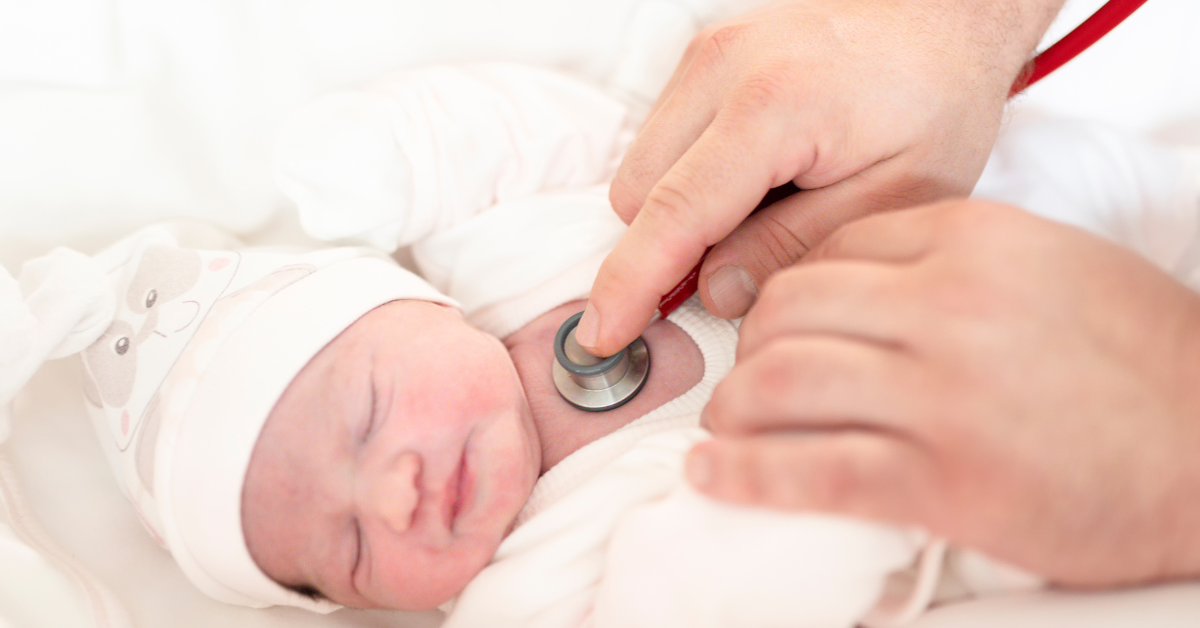

Your baby’s first weeks are full of new experiences, rapid changes, and important healthcare milestones. One of the most essential early appointments is the newborn check up, a detailed evaluation that ensures your baby is adapting well outside the womb. This visit helps identify concerns early, guide feeding and sleep routines, and give parents confidence during the most delicate period of a child’s life.
This 1500-word content follows all your rules:
No symbols or emojis, one anchor only, English title and headings, structured content with lists and tables where appropriate, and clean, optimized writing.
Why the Newborn Check Up Matters
Newborns undergo dramatic transitions in their first days of life. They begin breathing independently, regulating temperature, feeding frequently, and developing neurological responses. The newborn check up allows a healthcare professional to assess whether these transitions are progressing normally.
Early evaluations can detect issues that parents may overlook, such as jaundice, feeding inefficiency, slow weight gain, or physical abnormalities. The visit also reassures parents by providing guidance and support during an overwhelming time.
When the First Newborn Check Up Typically Occurs
Most babies are seen for their first checkup between 3 to 5 days after birth. However, timing may vary depending on:
- Birth weight
- Feeding success
- Jaundice risk
- Delivery method
- Hospital recommendations
- Whether breastfeeding or formula-feeding
- Any complications during birth
Babies who leave the hospital early or have risk factors may need earlier evaluations.
What Doctors Examine During a Newborn Check Up
A newborn visit is detailed and thorough. The doctor assesses your baby from head to toe, ensuring all systems are functioning properly.
Key Components of the Checkup
- Growth Measurements
- Weight
- Length
- Head circumference
These measurements are plotted on growth charts to evaluate progress.
- Physical Examination
- Skin and jaundice levels
- Eye appearance and red reflex
- Ear shape and canal clarity
- Mouth, tongue, and palate
- Chest and breathing patterns
- Heart rhythm
- Abdomen and organs
- Hip stability
- Genital and umbilical cord area
- Muscular tone and reflexes
- Feeding Evaluation
The doctor asks about:- Feeding duration
- Latch or bottle flow
- Frequency
- Milk supply
- Spit-up or gas issues
- Diaper Count Review
Diaper output reveals hydration and feeding quality. - Sleep and Behavior Discussion
Sleep patterns, wake windows, fussiness, and general behavior help guide recommendations. - Parental Concerns
Parents can ask questions about common topics such as crying, rashes, hiccups, and temperature checks.

Common Assessments Explained
Jaundice Screening
Jaundice occurs when bilirubin levels rise. Doctors check skin tint and may perform a painless scan or blood test if needed.
Weight Trends
Most newborns lose weight in the first few days. The checkup ensures weight loss stays within acceptable limits and guides feeding adjustments.
Reflex Tests
Newborn reflexes such as rooting, sucking, and startle give insight into neurological development.
Typical Newborn Check Up Timeline
Your baby will continue to have several important visits throughout the first year. Here is a typical timeline:
| Baby Age | Focus of Visit | What Parents Should Prepare |
|---|---|---|
| 3–5 days | Weight, jaundice, feeding | Feeding logs, diaper count |
| 2 weeks | Weight regain, healing | Sleep and fussiness questions |
| 1 month | Growth, reflexes | Notes on feeding comfort |
| 2 months | Vaccines, eye tracking | Tummy time progress |
| 4 months | Rolling, grasping | Nap routine |
| 6 months | Solid food readiness | Food plan |
| 9 months | Crawling, pulling up | Home safety review |
| 12 months | Standing, early words | Transition questions |
The newborn checkup is the foundation for this schedule.
Feeding Guidance During the First Visit
Feeding worries are extremely common for new parents. During the newborn checkup, the doctor will help you understand if your baby is feeding well.
Topics discussed may include:
- Feeding frequency
- Whether your baby is getting enough milk
- Signs of a proper latch
- Bottle nipple flow size
- How to reduce gas and spit-up
- Breastfeeding vs bottle-feeding transitions
- Concerns about fussiness after feeds
- Normal stool changes
Small adjustments in feeding technique often improve growth and comfort quickly.
Sleep Guidance During the First Weeks
It is normal for newborns to wake often. During the checkup, the doctor helps parents understand:
- Normal sleep duration
- Safe sleep positions
- Nap patterns
- Day and night confusion
- Comfort strategies
- When longer stretches may appear
Your doctor will also teach safe sleep guidelines, such as placing the baby on their back, avoiding soft bedding, and ensuring a firm sleeping surface.
Questions Parents Should Ask During the Checkup
Preparation helps parents get the most out of the visit. Here are helpful questions:
- Is my baby’s weight on track?
- Are these feeding patterns normal?
- How many wet and dirty diapers should I expect?
- How do I know if my baby is getting enough milk?
- Are my baby’s sleep habits appropriate?
- What signs should make me call right away?
- When is the next appointment?
Writing questions down ensures none are forgotten during the appointment.
When to Contact a Doctor Before the Next Visit
Some symptoms need immediate medical attention.
Call your doctor if your newborn experiences:
- Fever at or above 100.4 F
- Rapid or labored breathing
- Refusal to feed for several hours
- Fewer than expected wet diapers
- Persistent vomiting
- Skin turning increasingly yellow
- Extreme sleepiness
- A rash that spreads quickly
- Unusual movements or stiff posture
Trust your instincts. If something feels wrong, seek help.
How Parents Can Prepare for the Checkup
Being organized helps create a smoother experience.
Bring:
- Feeding record for the last 24 hours
- Diaper count
- Sleep notes
- Photos of rashes or concerns
- Birth and hospital documents
- A list of questions
Dress your baby in easy-to-remove clothing for weighing and examination.
Understanding Your Baby’s Growth Chart
Growth charts help compare your baby’s growth to expected patterns. Percentiles are tools, not scores. A lower percentile is not a problem if the trend is steady. Doctors focus on:
- Consistency
- Balanced proportion
- Growth over time
If there are concerns, feeding plans and follow-up visits help support progress.
Building Confidence Through Regular Visits
Beyond physical checkups, newborn visits build parental confidence. Knowing a professional is monitoring your baby’s development brings peace of mind. With each visit, parents learn more about:
- Soothing techniques
- Feeding adjustments
- Tummy time strategies
- Developmental play ideas
- Home safety tips
Regular guidance helps parents feel equipped and supported.
A Helpful Resource for New Parents
If you want a detailed breakdown of what happens and how to prepare, this guide offers additional insight into the full process of a newborn check up created specifically for new families.
(Anchor used once, as required.)
Final Thoughts
Your baby’s newborn check up is far more than a routine appointment. It sets the foundation for healthy development, provides essential feeding and sleep guidance, and helps parents navigate early concerns confidently. With the right preparation and clear communication, each visit becomes an opportunity to support your baby’s growth and strengthen your understanding of their needs.
The earliest weeks of life are precious and full of learning. A supportive checkup process ensures your baby begins this journey with strong, attentive care.