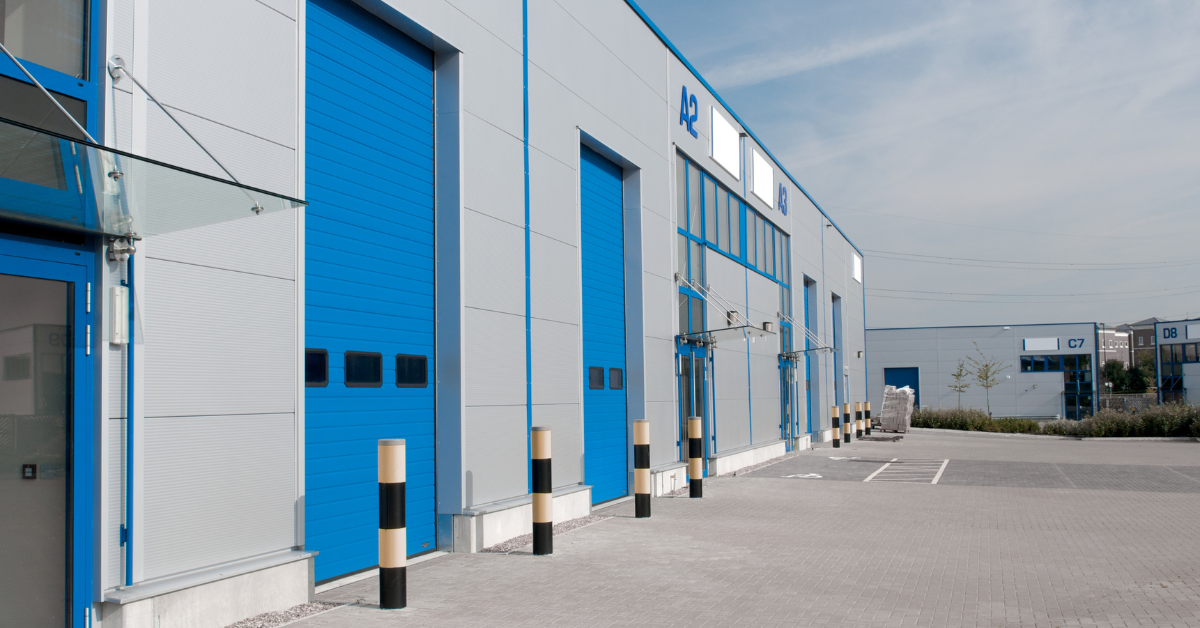

A secure and reliable door system is one of the foundational components of any commercial property. Whether the business operates in retail, manufacturing, healthcare, logistics, or education, the choice of door impacts safety, access control, energy efficiency, and even building aesthetics. Among the different commercial door materials available today, metal doors stand out as a proven solution for long-term durability and performance. A commercial metal door is engineered to meet high-security demands, withstand heavy usage, and maintain structural strength in challenging environments.
This content focuses on the features, benefits, construction, installation considerations, maintenance needs, and applications of commercial metal doors, helping businesses understand why they are widely preferred across various industries.
What Is a Commercial Metal Door?
A commercial metal door is a heavy-duty door specifically designed for non-residential buildings where security and durability are priorities. Unlike standard wooden or lightweight interior doors, commercial metal doors are constructed from reinforced materials such as galvanized steel, stainless steel, or aluminum. These doors are typically used in:
- Industrial facilities
- Warehouses and logistic centers
- Educational institutions
- Hospitals and healthcare buildings
- Hotels and large residential complexes
- Office buildings
- Retail stores and malls
- Government and security-focused environments
These doors are suitable for both interior and exterior use and are often paired with commercial-grade hardware, fire ratings, and security reinforcement.
How Commercial Metal Doors Are Constructed
The construction of a commercial metal door determines its durability, insulation quality, and resistance to weather, fire, and physical damage. Standard commercial metal doors are built with the following components:
- Outer Metal Layer
Made of steel or aluminum sheets that provide impact resistance and structural strength. - Core Material
The core varies depending on performance needs:- Honeycomb Core: Lightweight and strong, widely used for interior applications.
- Polyurethane Core: Offers enhanced insulation and energy efficiency.
- Polystyrene Core: Provides moderate insulation and sound reduction.
- Steel Stiffened Core: Designed for high-security and high-traffic areas.
- Reinforced Edges and Rails
Ensures stability and prevents bending, warping, or splitting. - Protective Coatings
Metal doors are typically finished with primer coatings, powder coatings, or paint to prevent corrosion and environmental damage. - Commercial Hardware Compatibility
Compatible with panic bars, heavy-duty hinges, automatic closers, access control systems, and fire-rated hinges.
Key Advantages of Installing a Commercial Metal Door
Commercial metal doors offer several practical benefits, making them one of the most cost-effective long-term solutions.
1. High Strength and Security
Metal doors provide a strong barrier against forced entry. The reinforced construction prevents bending, breaking, and tampering, making them ideal for high-security environments.
2. Fire Resistance
Many commercial metal doors come with fire ratings that slow the spread of flames and smoke. This is crucial for businesses that must comply with fire and building safety codes.
3. Durability Against Harsh Conditions
Metal doors resist damage from weather, chemical exposure, pests, and repeated physical use. They maintain their structure even in demanding industrial conditions.
4. Cost-Effective Lifecycle
Although the initial cost may be higher than wood or composite doors, metal doors have a longer lifespan and require fewer replacements, reducing long-term expenditure.
5. Energy Efficiency
Insulated cores help maintain indoor temperature, improving heating and cooling efficiency and reducing energy bills.
6. Low Maintenance
Unlike wood, metal doors do not rot, expand, crack, or require frequent refinishing. Routine cleaning and basic inspections are usually sufficient.
Common Types of Commercial Metal Doors
| Door Type | Material | Best Use | Key Benefit |
|---|---|---|---|
| Steel Hollow Metal Door | Galvanized steel | Warehouses, schools, hospitals | Security and fire resistance |
| Stainless Steel Door | Stainless steel | Food processing, labs, marine environments | Rust and chemical resistance |
| Insulated Metal Door | Steel with insulated core | Office and climate-controlled facilities | Energy efficiency |
| Fire-Rated Metal Door | Reinforced steel with fire core | Fire-rated corridors and exits | Enhanced life safety compliance |
| Metal Security Door | Heavy-gauge steel | Banks, government buildings | Maximum break-in protection |
Selecting the correct door type depends on the facility’s environment, legal requirements, traffic volume, and security level.
Where Commercial Metal Doors Are Commonly Used
Commercial metal doors are versatile and used in places where safety, privacy, and workflow efficiency are priorities. Some common applications include:
- Loading docks and storage rooms requiring restricted access
- Server rooms or data centers needing fire and security control
- Hospital emergency exits and controlled access hallways
- School entry points and classroom security systems
- Retail storefronts where theft prevention is essential
- Manufacturing plants exposed to dust, machinery, and impact forces
Installation Considerations
Installing a commercial metal door requires accuracy to ensure proper functionality and safety. Key factors to consider include:
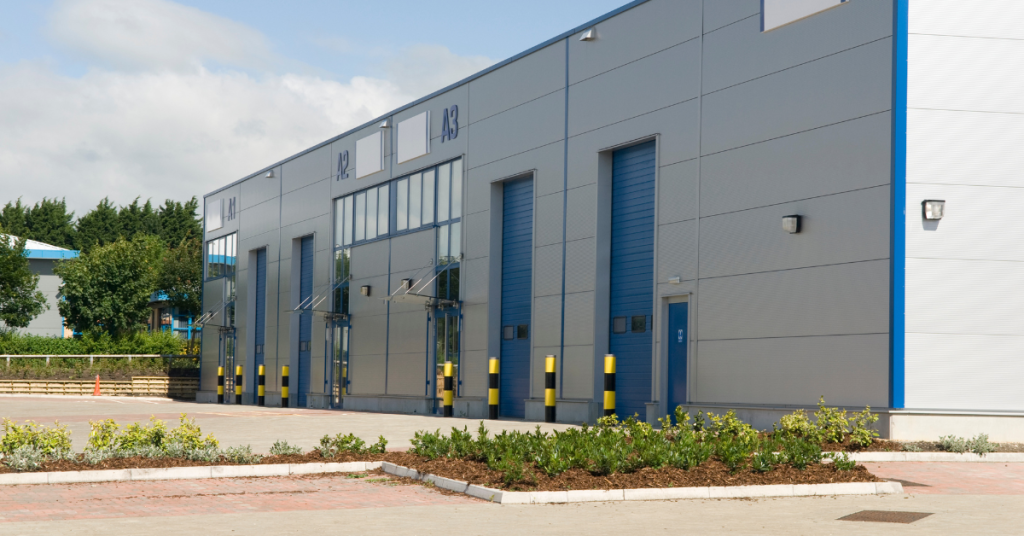
- Correct door size and frame measurement
- Building code compliance (fire rating, ADA accessibility)
- Intended usage frequency and opening mechanism
- Door swing direction (inswing or outswing)
- Hardware selection (hinges, locks, closers, panic bars)
- Wall and frame compatibility (steel frame vs. wood frame)
Professional installation is always recommended to ensure the door performs correctly and meets safety standards.
Maintenance Best Practices
Even though metal doors are low maintenance, regular checks help maintain performance:
- Inspect hinges and hardware for loosening
- Lubricate moving joints as needed
- Repaint or refinish surfaces showing wear
- Examine weatherstripping and replace if necessary
- Test fire and security mechanisms regularly
Routine maintenance prevents unexpected failures and extends the service lifespan.
When to Consider Replacing a Commercial Metal Door
Replacement is recommended when:
- The door surface exhibits corrosion or rust perforation
- The frame becomes misaligned or damaged
- The door fails to close or latch properly
- Fire rating certification has expired
- The door no longer meets current security or building standards
Upgrading to modern metal door designs can improve safety, efficiency, and energy performance.
Conclusion
A commercial metal door provides strength, durability, insulation, and security for a wide range of business environments. Its robust construction, long service life, and adaptable configuration options make it one of the most reliable choices for commercial properties. For installations, upgrades, or maintenance support, businesses can work with a professional commercial metal door service provider to ensure proper setup, safety compliance, and long-term performance.
A high-quality metal door is not just an entry barrier; it contributes to operational safety, property protection, and business continuity.