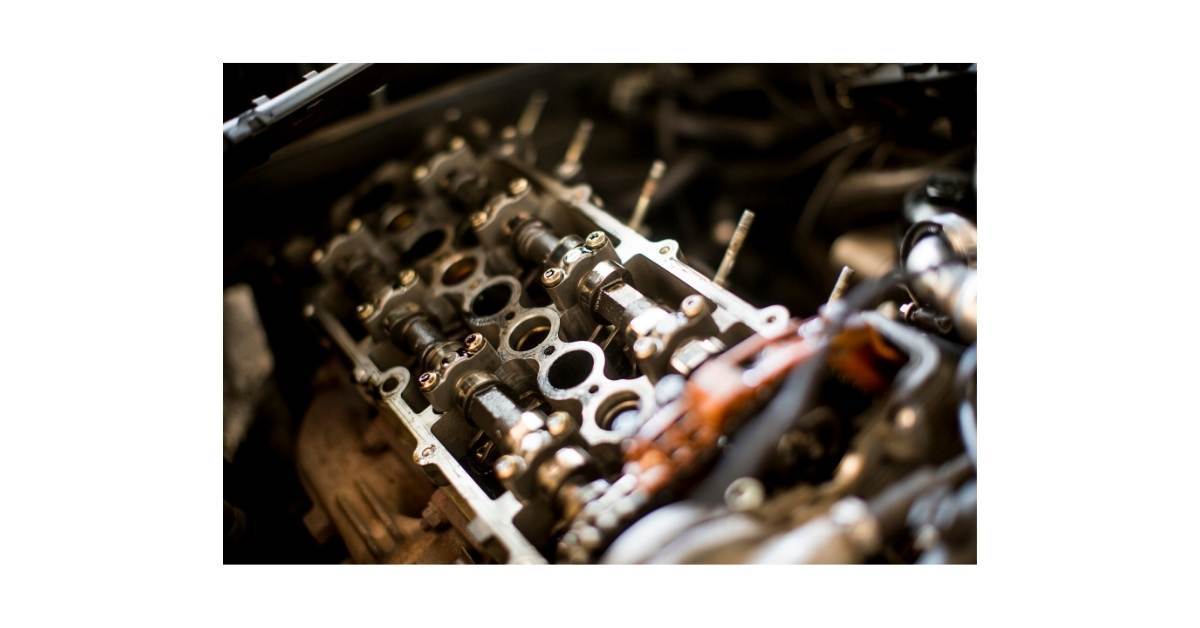

Honda Civic Engine Technology and Driving Excellence
The Honda Civic has earned a global reputation for reliability, efficiency, and intelligent engineering, making it one of the most trusted compact cars in automotive history. At the heart of this success lies the Civic’s engine design, which emphasizes long-term durability, smooth performance, and real-world usability. Over multiple generations, Honda has refined Civic engines to meet changing regulations and driver expectations without compromising the core values that define the model. This consistency has made the Civic a preferred choice for daily commuters, enthusiasts, and long-term owners alike.
Honda Civic engines are known for delivering predictable power and excellent fuel efficiency across diverse driving conditions. Whether navigating congested city roads or maintaining steady speeds on highways, the Civic engine responds smoothly and efficiently. This balance between performance and economy is a defining characteristic that continues to attract a wide range of drivers worldwide.
Evolution of Honda Civic Engine Design
The evolution of Honda Civic engines reflects Honda’s broader engineering philosophy of refinement through precision. Early Civic engines focused on lightweight construction and mechanical simplicity, offering dependable performance with minimal maintenance requirements. As technology advanced, Honda introduced features such as electronic fuel injection, variable valve timing, and improved combustion efficiency to enhance power output and emissions control.
Rather than making abrupt design changes, Honda incrementally improved Civic engines over successive generations. This approach allowed engineers to address real-world issues while preserving proven design elements. As a result, Civic engines matured into highly efficient and reliable systems supported by decades of engineering data and customer feedback.
Engine Configurations Across Civic Generations
Honda Civic engines have been offered in multiple configurations to suit different markets and driving needs. Smaller naturally aspirated engines are commonly associated with efficiency-focused trims, providing smooth acceleration and low operating costs. These engines are ideal for urban commuting and long-distance travel where fuel economy is a priority.
Turbocharged engines introduced in later generations added a new dimension to Civic performance. By delivering higher torque at lower RPMs, these engines improved responsiveness without sacrificing efficiency. Despite variations in displacement and tuning, Honda maintained consistent quality standards, ensuring that each Civic engine configuration delivers dependable performance.
Performance Characteristics in Everyday Driving
Performance in a Honda Civic engine is defined by smooth power delivery and responsive throttle control. Honda engineers prioritize drivability over aggressive output figures, ensuring that acceleration feels natural and manageable in everyday scenarios. This approach enhances comfort during stop-and-go traffic and reduces driver fatigue during long journeys.
Civic engines are also known for their refined high-revving characteristics. Even smaller engines maintain stability and smoothness at higher RPMs, a trait that appeals to drivers who enjoy an engaging driving experience. This balance between refinement and responsiveness contributes to the Civic’s reputation as both practical and enjoyable to drive.
Reliability and Longevity of Honda Civic Engines
Reliability is one of the strongest selling points of the Honda Civic. When maintained according to manufacturer guidelines, Civic engines are widely recognized for reaching high mileage with minimal major repairs. Honda’s emphasis on tight manufacturing tolerances, high-quality materials, and efficient cooling systems supports this long-term durability.
Routine maintenance plays a crucial role in sustaining engine health. Regular oil changes, timely replacement of wear components, and attention to warning indicators help prevent premature wear. Many owners rely on dedicated resources such as Honda Civic to understand common engine concerns, maintenance schedules, and model-specific insights that support informed ownership.
Fuel Efficiency and Emissions Performance
Fuel efficiency has always been a cornerstone of the Honda Civic’s appeal. Civic engines are engineered to maximize energy output from minimal fuel input through optimized combustion processes and lightweight internal components. This efficiency translates into lower fuel costs and reduced environmental impact over the vehicle’s lifespan.
Modern Civic engines also integrate advanced emissions control technologies to meet strict regulatory standards. These systems work in harmony with engine management software to minimize pollutants while maintaining smooth performance. The result is an engine that aligns with environmental expectations without compromising driving enjoyment.
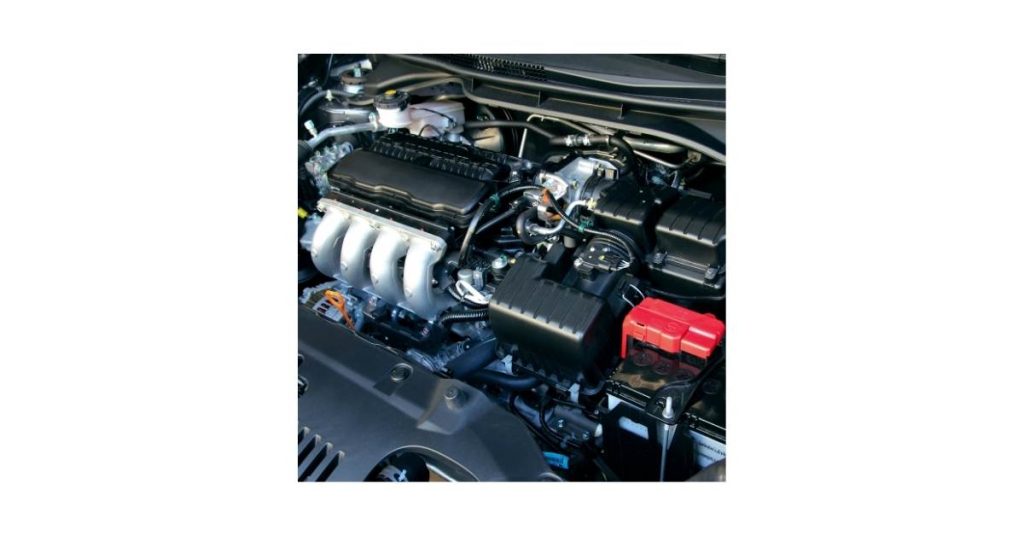
Maintenance Practices That Preserve Engine Health
Proper maintenance is essential for maximizing the lifespan of a Honda Civic engine. Honda designs Civic engines with accessibility in mind, allowing routine service tasks to be performed efficiently. Clear maintenance intervals help owners stay on schedule, reducing the risk of neglected components causing larger issues.
Using manufacturer-recommended fluids and parts is particularly important for Civic engines. Incorrect specifications can lead to inefficiencies or accelerated wear. Owners who follow Honda’s service guidelines often experience consistent performance and fewer unexpected repairs. Educational platforms like Honda Civic provide valuable guidance that helps owners make informed maintenance decisions and avoid common pitfalls.
Aftermarket Support and Performance Modifications
The Honda Civic enjoys one of the most extensive aftermarket ecosystems in the automotive world. Civic engines respond well to modifications when approached responsibly, making them popular among tuning enthusiasts. Software tuning, intake upgrades, and exhaust improvements can enhance performance without significantly impacting reliability when executed correctly.
However, modifications should always respect the engine’s design limits. Excessive tuning or poorly engineered components can introduce stress that reduces engine lifespan. Honda Civic engines are built for balance rather than extremes, and maintaining that balance is key to sustainable performance enhancements.
Comparing Civic Engines Across Trim Levels
Different Honda Civic trim levels highlight how engine tuning can influence driving characteristics. Base trims typically emphasize efficiency and comfort, delivering smooth acceleration and quiet operation. These configurations are well-suited for drivers who prioritize reliability and low operating costs.
Sport-oriented trims adjust engine tuning and supporting components to deliver a more engaging driving experience. Improved throttle response and torque delivery enhance performance without compromising daily usability. Despite these variations, Honda maintains consistent engineering quality across all trims, ensuring reliability remains a constant.
Ownership Costs and Long-Term Value
Long-term ownership costs are a major factor in the Civic’s popularity. Honda Civic engines are designed to minimize unexpected expenses through reliable construction and accessible servicing. Widespread parts availability and a strong service network further contribute to predictable maintenance costs.
Vehicles powered by well-maintained Civic engines often retain strong resale value. Buyers recognize the model’s reputation for durability and efficiency, making used Civics consistently in demand. This long-term value reinforces the Civic’s position as a practical investment for budget-conscious and quality-focused drivers.
Technological Innovations in Modern Civic Engines
Modern Honda Civic engines incorporate advanced technologies that enhance efficiency and responsiveness. Improved engine control units, refined combustion chamber designs, and optimized airflow systems contribute to smoother operation and better fuel economy. These innovations are introduced gradually, ensuring compatibility with existing systems and long-term reliability.
Honda’s focus on continuous improvement rather than radical redesign allows Civic engines to remain competitive without sacrificing dependability. This strategy benefits owners by providing modern features supported by proven engineering principles.
Choosing the Right Honda Civic Engine for Your Needs
Selecting the right Civic engine depends on driving habits and performance expectations. Drivers who prioritize fuel economy and low maintenance may prefer naturally aspirated engines designed for efficiency. Those seeking a more dynamic driving experience may opt for turbocharged variants that offer increased torque and responsiveness.
Understanding engine characteristics before purchasing helps align expectations with real-world performance. Reliable technical resources enable buyers to evaluate strengths, limitations, and maintenance considerations. Informed choices lead to higher satisfaction and long-term ownership confidence.
The Broader Impact of Honda Civic Engine Engineering
Honda Civic engines have influenced industry standards by demonstrating how efficiency, reliability, and driving enjoyment can coexist. Through decades of refinement, Honda has shown that compact engines can deliver impressive performance without sacrificing durability. This philosophy has shaped consumer expectations and inspired engineering trends across the automotive sector.
Ultimately, the Honda Civic engine represents a commitment to intelligent design and long-term value. It is engineered to perform consistently under everyday conditions while adapting to modern efficiency and emissions requirements. For drivers seeking a dependable, efficient, and well-supported engine platform, the Honda Civic continues to stand as a benchmark in its class.